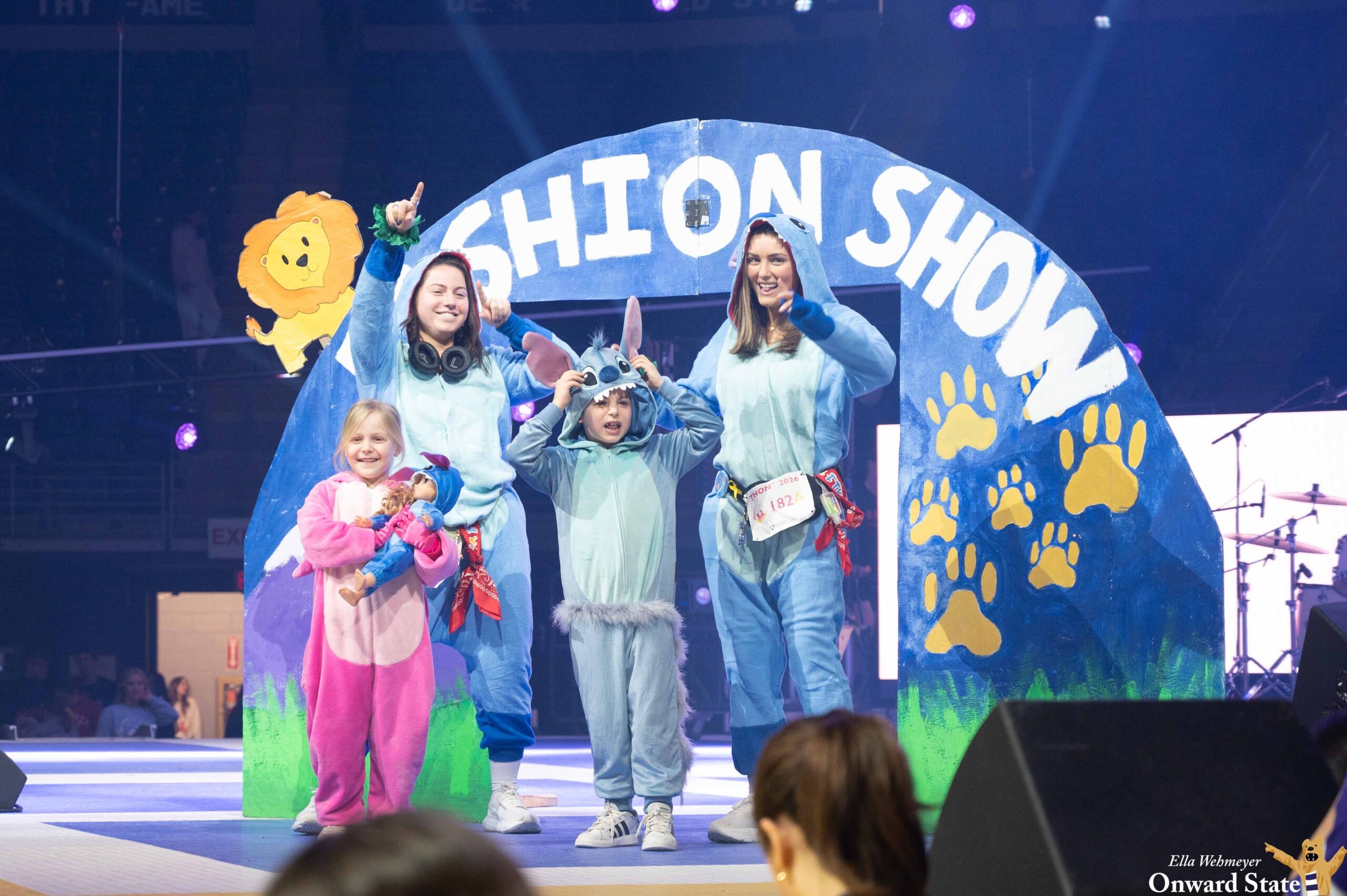
As parents, we may not always understand our children’s clothing or style choices. In fact, when we give our kids freedom in how they dress, they may end up wearing mismatched clothes, clothes that look messy or silly, or clothes that simply don’t match our own tastes or styles. One year, my older child insisted on wearing her Halloween costume for one month straight! But experts agree that letting kids choose how to dress is vital to their development and maturity.
“Children have very little control over their lives, so allowing them to make contained, safe choices is essential to their emotional growth,” says Rebecca A. Love, PsyD, LCSW at Heartwise Psychotherapy. “Giving children freedom of expression in their clothing is an easy way to offer some control in their lives, rather than creating an unnecessary power struggle that causes stress for both you and your child.”
Here, we’ll explore the powerful impact of letting your child’s individual clothing style shine, as well as how to manage any challenges that pop up along the way.
Positive Impacts of Clothing Choices
It may seem like a small thing, but allowing your children to express themselves freely through their clothing choices can have a positive impact on them. Here are some of the benefits of letting your children express themselves through style and clothing choices.
Self-expression and self-esteem
Allowing your child to choose their own clothing can be a major confidence booster, says Nechama Sorscher, PhD, a child psychologist based in NYC and author of Your Neurodiverse Child, “Letting a child select their own outfit, and dictate their own style is a huge form of self-expression and letting the child make their own decisions can foster a sense of confidence,” she describes.
Responsibility and independence
Clothing choices can also instill responsibility and independence. “Letting kids choose what they wear gives them a safe space to practice decision making,” says Aja Chavez, AMFT, associate marriage and family therapist and executive director of adolescent services at AMFM Healthcare. “They learn to think ahead (as an example: ‘Will I be cold in this?’) and experience the natural outcomes of their choices.” This is how children learn independence and responsibility—through trial and error, Chavez explains.
A sense of control
Children get a lot of satisfaction about making their own choices, even smaller ones, says Dr. Sorscher. “It gives them a sense of control that they don’t always feel they have,” she describes. It also helps them with their overall decision-making skills. In particular, for kids with neurodivergent challenges, allowing them choice over their wardrobe “can really help with sensory development and needs,” Dr. Sorscher adds.
Potential Negative Impacts of Clothing Choices
Most of the time, letting kids have autonomy when it comes to clothing choices isn’t harmful. Still, at times, clothing freedom can have negative impacts.
Bullying and shaming
Sometimes our kids’ clothing choices can be a source of shaming by others, or even bullying. This might happen when kids don’t have their pulse on what is currently fashionable or when their clothes don’t look new or are mismatched in some way.
“Kids can be really mean, and clothing is a low hanging target for bullying,” says Dr. Sorscher. “Kids who are more expressive with their clothing stand out, and with that could potentially come negative attention.”
How to manage this? It’s certainly important to alert school officials if your child is being seriously bullied. But it’s also vital not to necessarily shut your child down if their clothing choices are a bit unconventional.
“Rather than shutting down their choices, I encourage parents to talk with their kids,” says Chavez. Consider asking them questions like: “How did you feel wearing that today?” or “What do you want your clothes to say about you?”
“It’s about helping them explore their identity while learning to navigate social feedback in a healthy way,” Chavez says.
Too much focus on appearance
Another pitfall can come if your child seems overly focused on their clothing or their appearance, or if they believe that looking “perfect” is the only way to feel confident or loved. “If appearance becomes a child’s primary focus, or if they equate their value with how ‘cool’ or trendy they look, that can be a red flag,” Chavez shares.
It’s important to consider, too, the impact of outside influences on body image and confidence, such as social media, the beauty industry, and advertising, says Dr. Love. If your child is dealing with poor body image, low self-esteem, or signs of disordered eating, it’s vital that you reach out to their pediatrician or a licensed therapist for help and support.
Limits and Boundaries
As with everything in parenting, boundaries and limits are necessary when it comes to clothing choices—within reason, of course. Some limits are obvious, says Dr. Love. For instance, you can’t allow your child to wear a swimsuit to school in the middle of winter, and sensitive body parts need to be covered in public.
In some cases, it’s a matter of allowing our kids to learn the risks of wearing certain inappropriate clothing by natural consequences. “While we do not want to put children at risk for adverse health outcomes, it is okay to allow children to learn outcomes on their own,” Dr. Love says. “For example, wearing a sweater to the park in August provides a valuable lesson without parent intervention, lecturing, or restricting their choices.”
Of course, unsafe clothing choices are one thing “but you can be more lenient when it comes to style choices, colors, textures, and accessories,” says Dr. Sorscher. “Doing so helps kids build their identity and personality.”
Takeaways
The bottom line? Whenever possible, it’s essential to remove our own biases and opinions about our children’s clothing choices, and give them the freedom and autonomy to express themselves. This helps raise confident, independent, free-thinking children who know who they are and aren’t afraid to be themselves.
Read the original article on Parents
link