





If you thought MBTI was the ultimate personality test, think again! Korean Gen Z has discovered something way more intriguing – classifying people based on hormones rather than psychology. The “Teto-Egen” trend is absolutely exploding across Korean social media, with everyone from celebrities like actress Han Ga-in to your average college student jumping on this bandwagon. So what exactly are we talking about here? “Teto-nam” (testosterone boys) are your classic alpha males – direct, sporty, with natural leadership vibes. Meanwhile, “Egen-nyeo” (estrogen girls) are the soft, emotional, and nurturing types who prefer following rather than leading. But here’s where it gets interesting – “Teto-nyeo” (testosterone girls) are the bold, tomboyish women who take charge, while “Egen-nam” (estrogen boys) are the sensitive, fashion-conscious guys who prioritize emotions over machismo.
Why This Trend Is Bigger Than MBTI Ever Was
The numbers don’t lie – this trend has become so mainstream that even Korean AI companies are using it to test their chatbots’ understanding of local culture. What started as a simple online personality quiz has evolved into a complete lifestyle and fashion guide, with different styling tips for each “hormone type”.


Unlike MBTI’s 16 complex categories, the hormone classification offers just four easy-to-understand types that instantly tell you someone’s vibe. A 25-year-old office worker who identifies as “Teto-nyeo” explained, “It perfectly matches my tough personality image”. Another 30-year-old added that it helps understand others better, especially in dating scenarios. The trend has become so sophisticated that it now includes hybrid types like “Ete-nam” (estrogen-testosterone boys) and “Tege-nam” (testosterone-estrogen boys) for those who don’t fit neatly into the original four categories.
Fashion Gets the Hormone Treatment Too
The trend has spawned an entire fashion subculture, with style guides specifically tailored to each hormone type. “Egen-nyeo” fashion focuses on soft, feminine pieces – think flowy dresses, pastel colors, and delicate accessories that emphasize a petite frame. Celebrities like Park Ji-won and Jang Won-young have become style icons for this category with their sweet, innocent looks. On the flip side, “Teto-nyeo” style embraces edgy, tomboyish elements – band t-shirts, chunky sneakers, and oversized fits that project confidence and independence. The interesting twist? Many influencers are mixing both styles, creating hybrid looks that blend feminine softness with masculine edge.
The Backlash and Concerns
Not everyone’s buying into the hormone hype. Seoul National University psychology professor Kwak Geum-ju warns that this classification system could narrow people’s thinking by reinforcing gender stereotypes. Critics argue that dividing personalities based on “male” and “female” hormones potentially strengthens outdated gender role expectations rather than breaking them down.
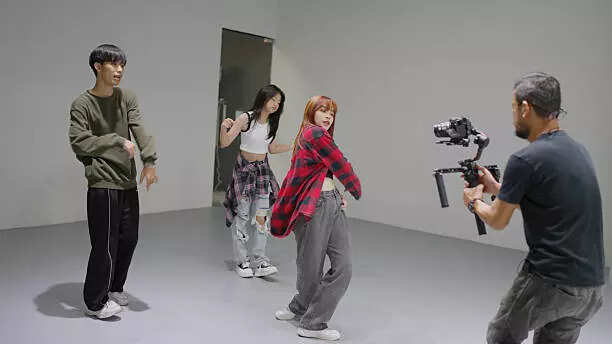
The concern is that while the trend appears progressive by celebrating “masculine women” and “feminine men,” it still operates within a binary framework that could limit how people express their authentic selves. Some worry it might pressure individuals to fit into specific hormone-based boxes rather than embracing the full spectrum of human personality.
link